Fangstorm, First-Person Orc Demigod Meets Tower Defense Brawler
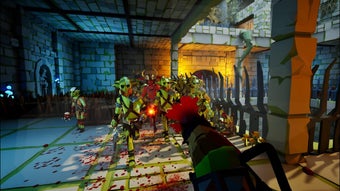
Fangstorm, by Jamie Janas, places the player directly into frontline tower defense as a violent first-person action experience. Players alternate between constructing defensive zones and engaging waves of attackers, combining hand-to-hand combat, godlike powers, and in-field trap deployment to hold lanes under escalating pressure. The design includes physics-driven hits, customizable kill zones, summonable allies, persistent progression, and multiple difficulty tiers across distinct maps that invite emergent solutions. It targets players who prefer dark fantasy brawls, tactical base engineering, and demanding, visceral combat encounters.
What kind of game is Fangstorm?
The game adopts a clear "You Are the Defense" stance, placing the player inside the line of fire rather than above it. That choice reverses familiar fantasy roles by casting you as a resurrected orc demigod defending against goblin sieges. The developer brings a television and CG animation background, and the title is published in partnership with Mythwright, giving it a cinematic, creature-driven focus that distinguishes it from typical overhead tower defense entries.
How does progression shape the frontline experience?
Persistent progression ties short-term sessions to long-term goals, so each encounter affects future play. Progression components include:
- gear upgrades that change weapon behaviour,
- a perk system that modifies abilities,
- prestige levels that reset progress for stronger rewards.
Those systems expand tactical options for players who invest time into the campaign and encourage experimentation with kill-zone designs and summoned allies.
What does the game look and sound like?
Visuals lean toward dark fantasy, with animation and particle work that reflect the developer's high-end CG experience. Combat emphasizes heavy, physics-driven impacts that reviewers in public playtests described as "weighty." Audio supports that weight: bone-crunching hits and environmental ambience underline the melee focus and make encounters feel tactile rather than abstract.
What keeps you coming back after the first session?
Replayability rests on customizable kill zones, multiple maps with environmental challenges, and adjustable difficulty tiers, all amplified by prestige mechanics that reward repeated runs. Public playtests have provided positive early feedback, and the game is available for Steam playtests as of September 2026, so interested players can request access on the store page. The Windows-only distribution centralizes testing but limits platform reach for some players.
Fangstorm rewards committed, frontline players while limiting accessibility for others
In summary, Fangstorm is an ambitious pick for players who favor hands-on, high-stakes action and enjoy investing in character growth; its solo-creator vision and active public playtests point to a distinctive creative direction. Players seeking a casual, platform-agnostic tower defense experience should note the Windows-only Steam availability and the official release date remaining unannounced before deciding.